AirPlus International builds customer-specific digital platforms for managing complex business travel processes. Over time, these platforms had grown feature-rich — but also inconsistent, hard to maintain, and increasingly difficult for users to navigate
Platform Design
establishing a scalable UX foundation for B2B travel platforms
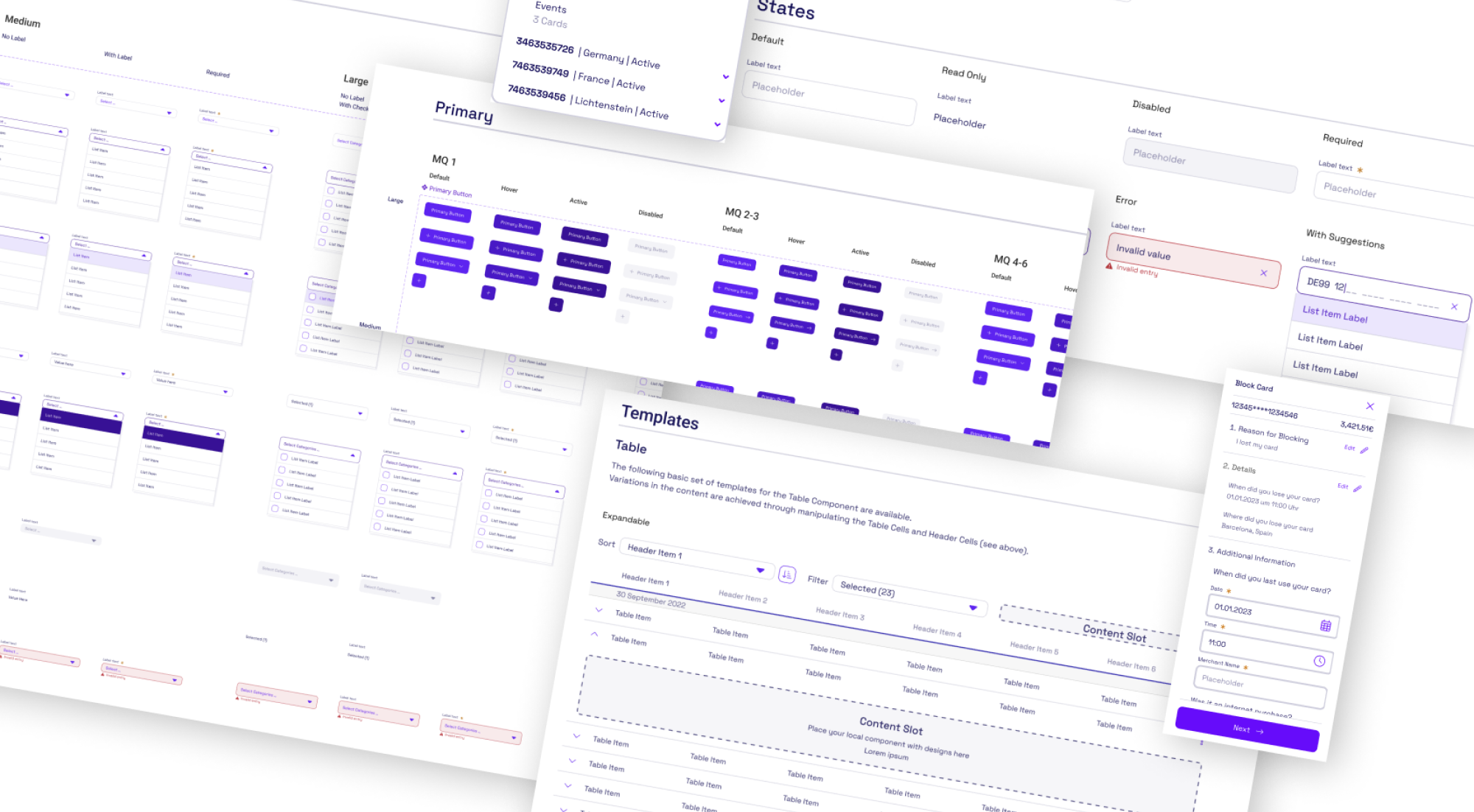
overview
company
AirPlus International
industry
Financial, Payments
applied skills
UX Management; UX Strategy; IA Design; Hands-on Design (DMS)
focus
UX strategy & organizational change
Creation and scaling of a Design Management System
outcomes
Consistent experiences across multiple platforms
Significantly increased UX maturity across the organization
Improved design and development efficiency
Jan 2023 - Dec 2024
Platform Design
context & problems
The situation at hand
A growing product, outpaced by its own complexity
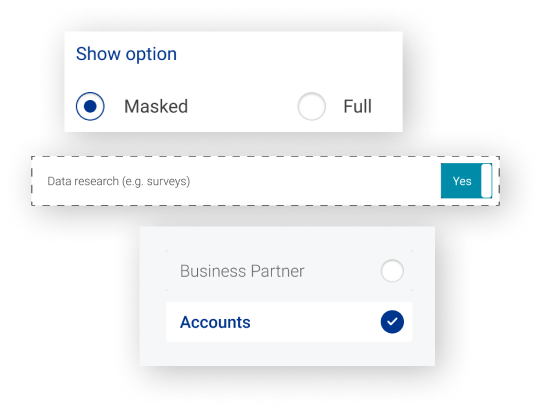
Design decisions were often driven by individual stakeholder requests, leading to:
Inconsistent interfaces
Confusing interaction patterns for customers
Slower delivery for product and engineering teams
UX was largely seen as “making things look good”, not as a strategic function in product development
UX decisions without a shared direction
As the platforms grew, three fundamental issues became visible:
Low design efficiency
Highly customized UI solutions made it hard to reuse patterns, align teams, or scale new features
Low UX maturity
UX was involved late, often after decisions had already been made, limiting its impact on real user problems
A growing but unstructured UX team
With increasing demand for UX work, clear direction, shared standards, and leadership were missing
my role
Lead UX Designer
My responsibility went far beyond designing screens
As Lead UX Designer, I...
defined the UX vision and strategic direction
established scalable UX processes and standards
led and mentored a growing UX team
aligned design, product, engineering, and management
key decisions
Creating the conditions for scalable UX
1) Standardize before optimizing
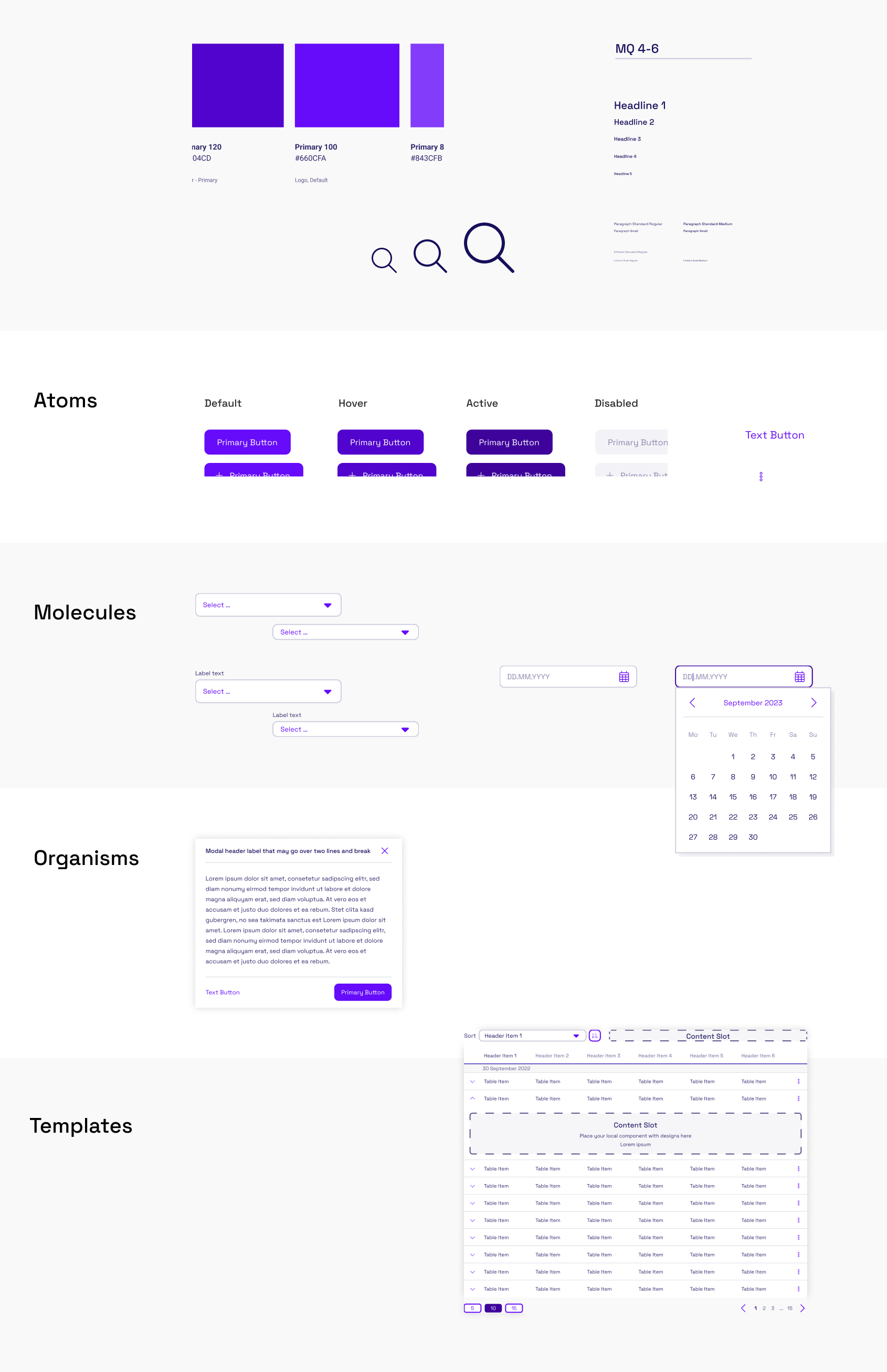
Instead of continuing to design feature by feature, I prioritized building a shared UX foundation on Atomic Design Principles
Why?
Because without common patterns, usability & efficiency would never improve sustainably.
Trade-off
Short-term speed (false positive assumption) -- vs -- long-term scalability & consistency for users
Impact
A shared design language that reduced inconsistencies and design effort
2) Introduce a design system aligned with development
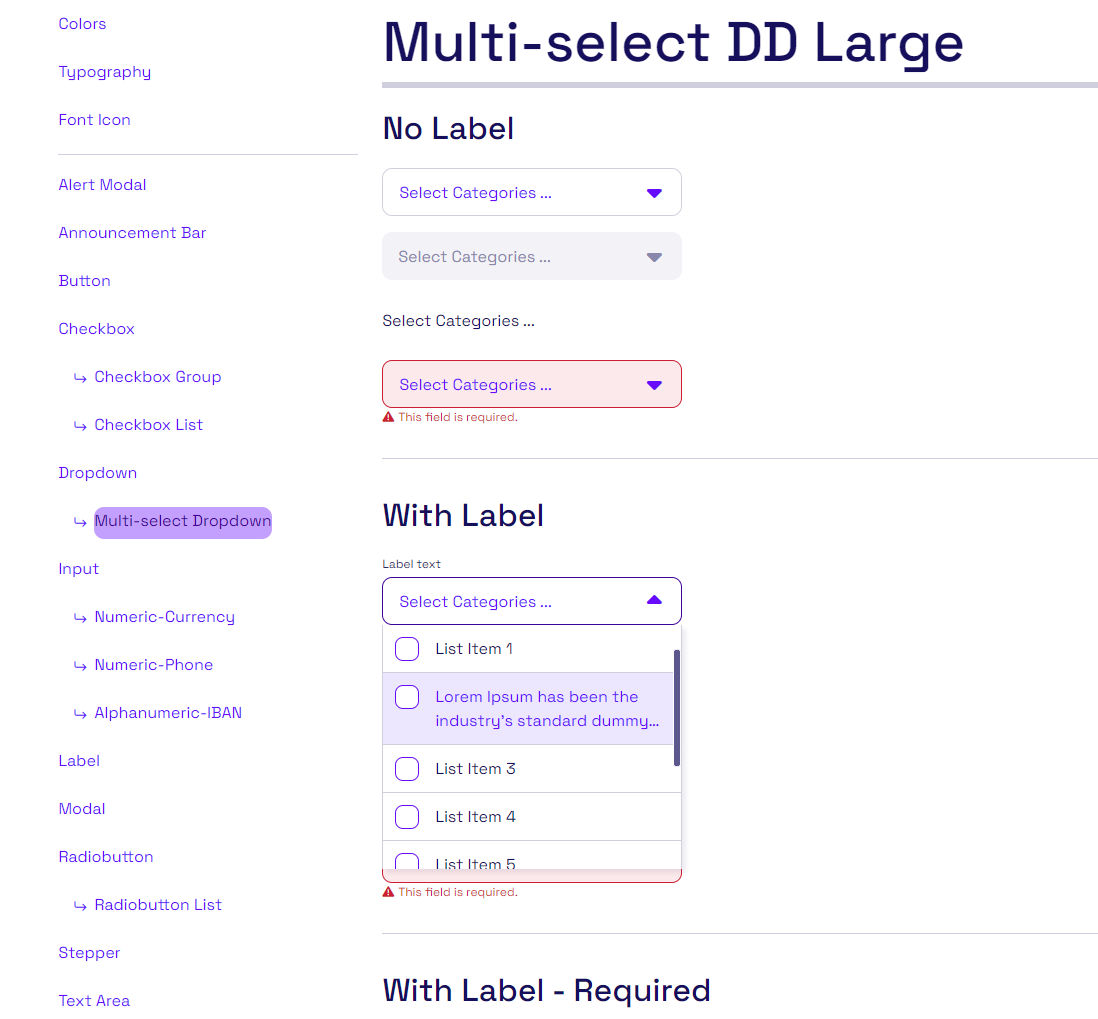
I initiated and led the creation of a UX Design Management System that mirrored how developers build interfaces
Why?
Design consistency only works if design and development speak the same language.
Impact
A shared design language that reduced inconsistencies and design effort. It enhanced development speed by over 50%
solution highlights
Scalable UX, built to last
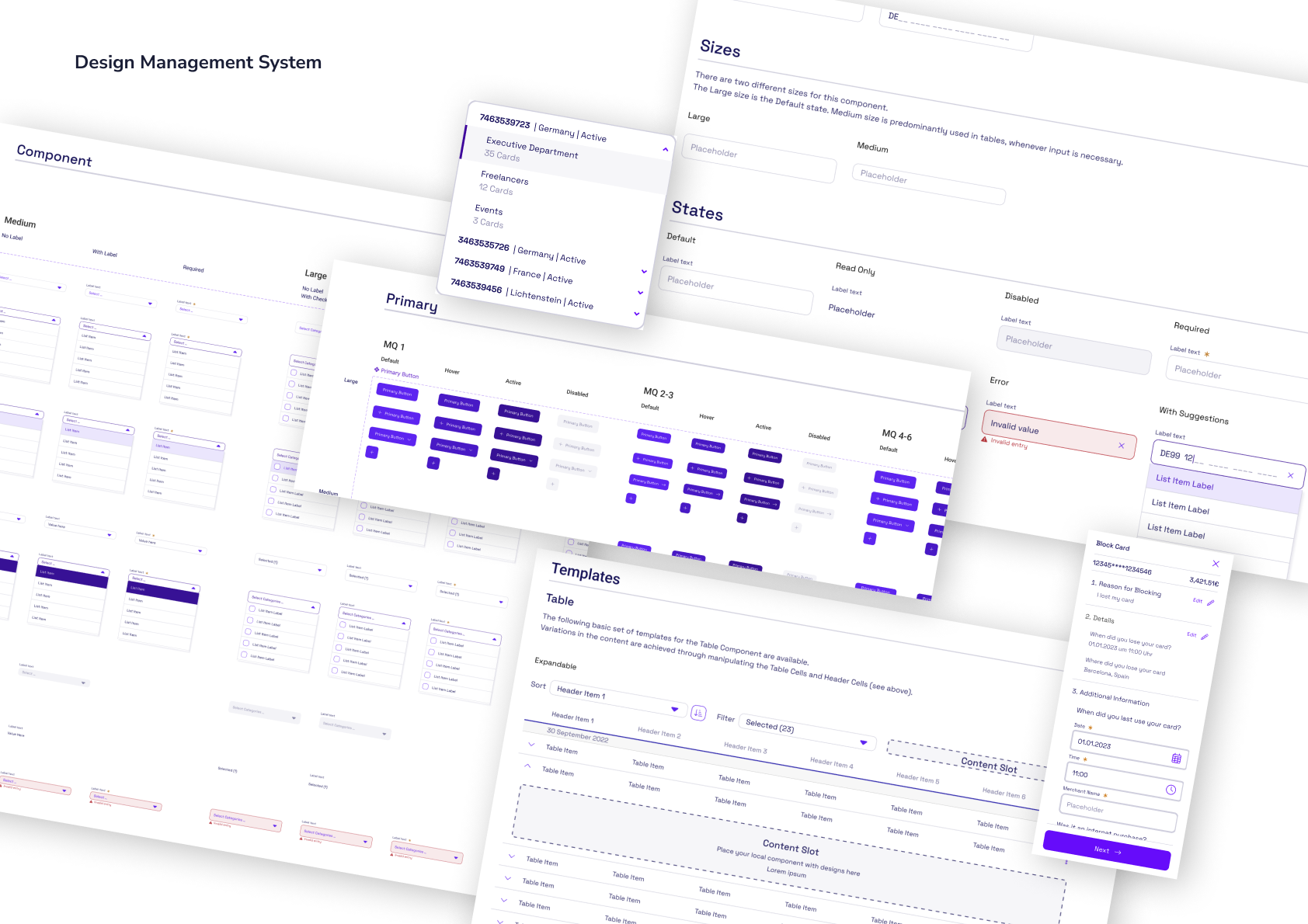
The new Design Management System
reduced cognitive load for users
improved accessibility and responsiveness
enabled designers to focus on solving user problems instead of reinventing UI components
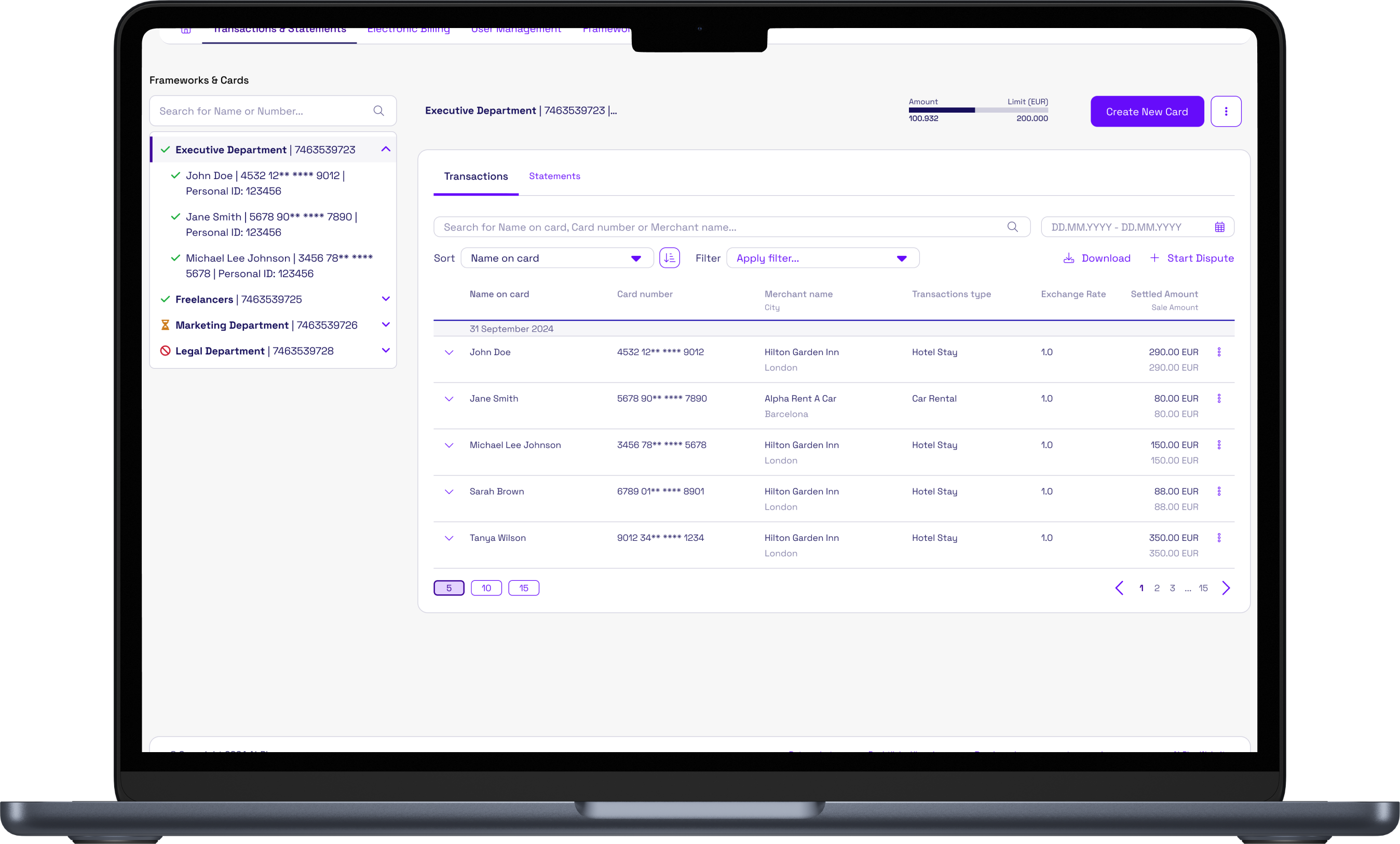
Dashboard of Transaction overview per framework/Card - based on Design management system
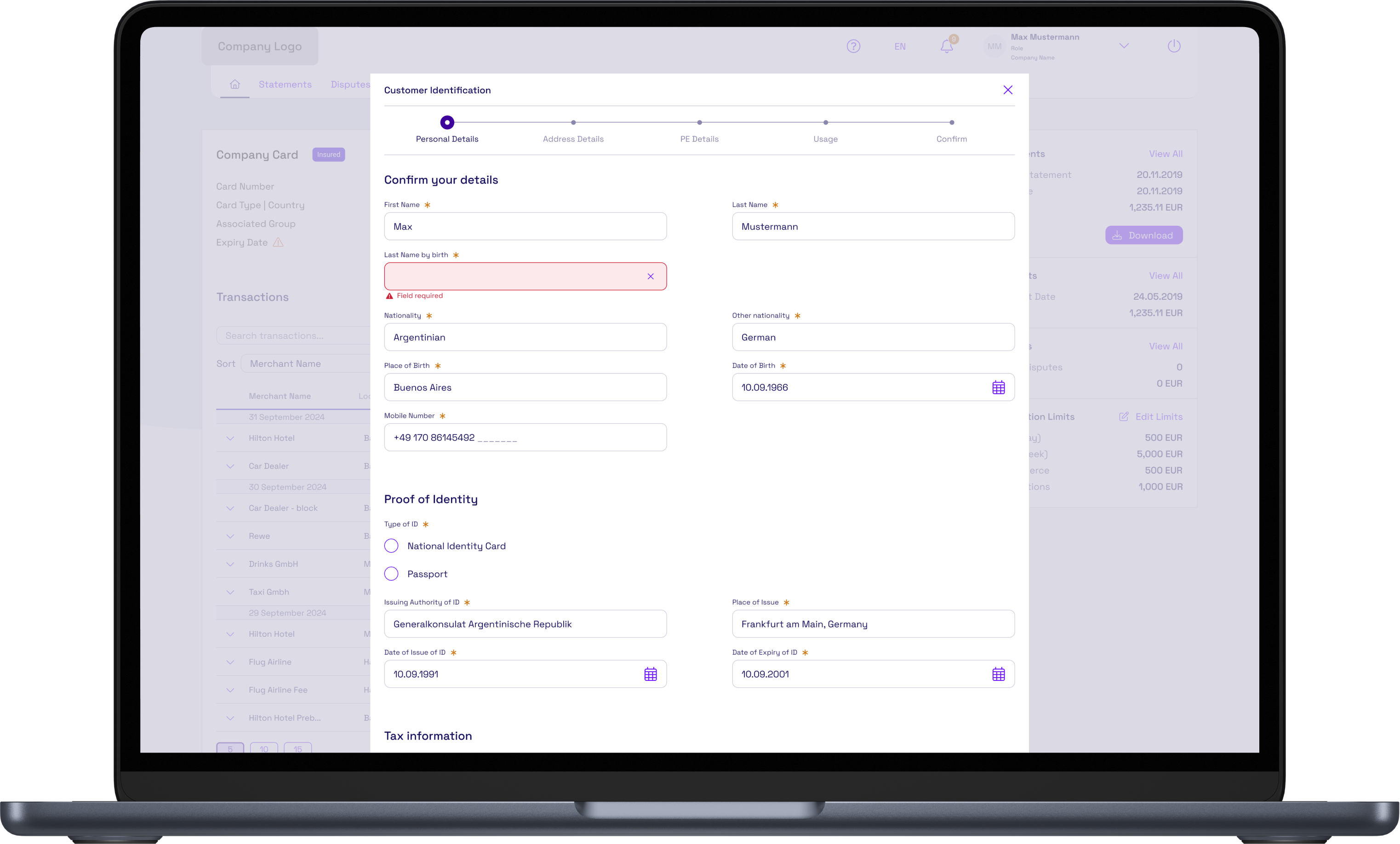
onboarding flow - based on Design management system
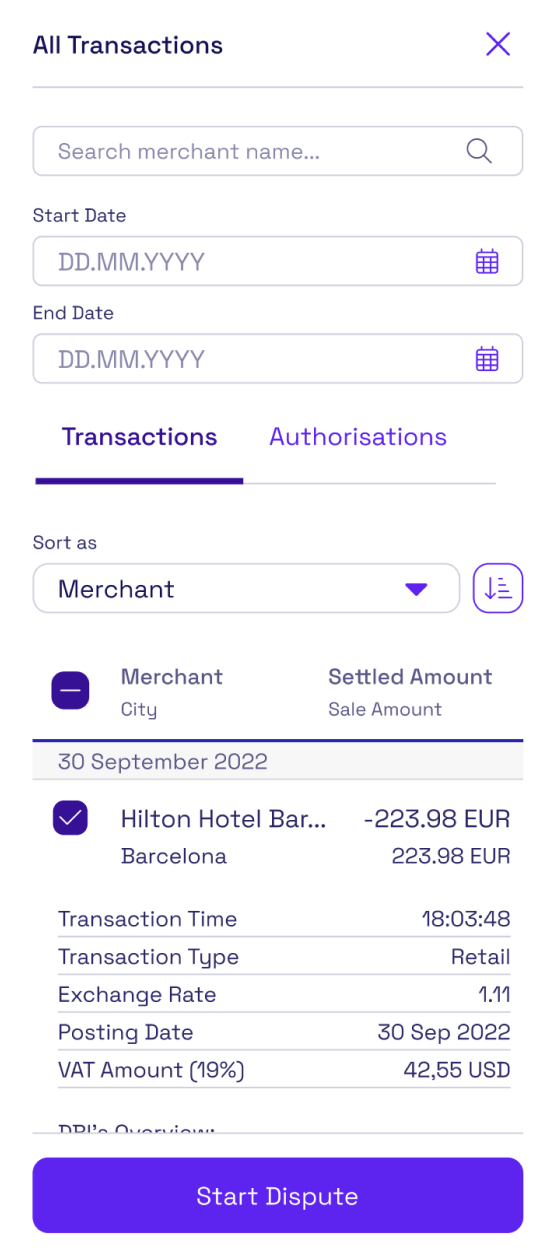

mobile experience - based on Design management system
company impact
Measurable impact on UX maturity and delivery
The introduction of a structured UX approach and a shared design system led to measurable improvements across product quality, delivery speed, and cross-functional alignment
UX quality & consistency
40% reduction in UI inconsistencies across core platforms within 12 months
25% decrease in customer support tickets for redesigned flows
Design & development lifecycle
50% faster design cycles due to reusable components and standardized patterns
15% less development bugs and rework caused by inconsistent designs
Organizational impact
Stronger alignment between UX, Product and Engineering, reflected in shorter decision-making
UX could be embedded earlier in the product discovery and could evolve to a strategic contributor for product quality
Even without externally published metrics, the shift in workflows, decision-making, and delivery speed made the impact of UX clearly visible
reflection
What enabled impact — and what I’d approach differently
What worked well
Early management involvement accelerated adoption
Securing leadership buy-in early helped UX initiatives gain visibility and legitimacy across team
Team enablement paid off quickly
Clear guidance, shared principles, and a consistent framework helped new and existing designers contribute effectively within weeks rather than months, improving overall delivery confidence and design quality
What I would improve next time
Stronger isolation of transition phases
Rolling out new systems, while legacy patterns were still active caused temporary UX inconsistencies and additional coordination overhead. It would have been better to introduce larger changes in more clearly separated phases